


Synopsis
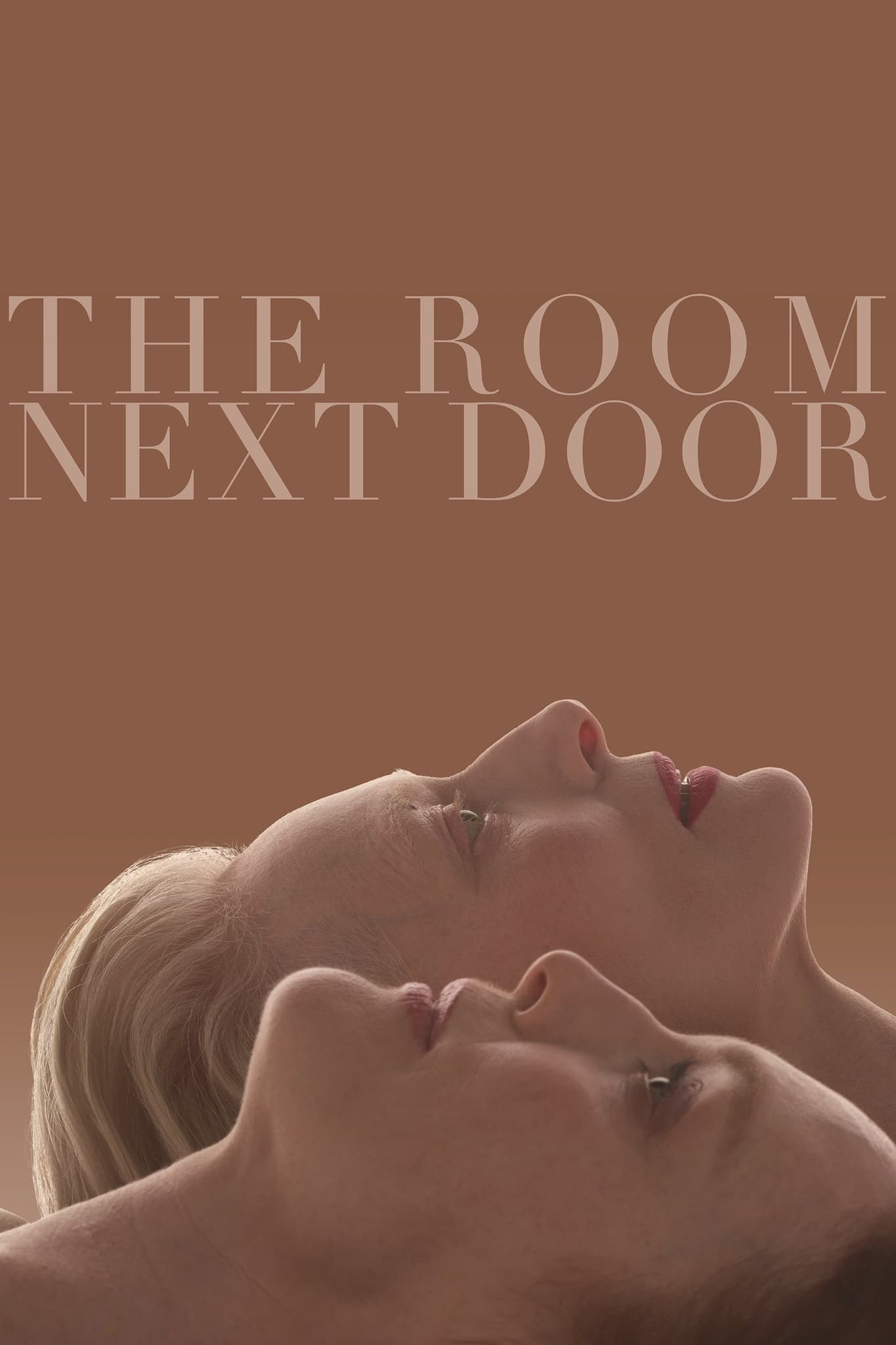
The Room Next Door marks Pedro Almodóvar’s first full-length feature in English, starring Tilda Swinton and Julianne Moore. Based on Sigrid Nunez’s novel What Are You Going Through, the film explores profound themes such as facing mortality and the right to end one’s life.
Ingrid (Moore), a celebrated novelist, learns during a book tour in New York that Martha (Swinton), a retired war journalist and former colleague, is battling terminal cancer. After a series of deeply emotional visits, Martha invites Ingrid to accompany her during her final days in a secluded house outside the city, where she plans to end her life with a lethal pill. The two women form a unique bond, reflecting on life and sharing intimate moments as they confront the inevitability of death.
What I Liked
- Both lead performances are outstanding, with Tilda Swinton’s portrayal being particularly memorable.
- The cinematography and aesthetic, though less expressive than Almodóvar’s usual style, still deliver colorful and poignant details.
- The subject matter is undeniably thought-provoking, sparking meaningful reflection both during and after the film.
What Could Be Better
- While the script has its moments, it fails to captivate, surprise, or evoke deep emotion.
- The use of flashbacks to explore Martha’s memories and life journey feels underdeveloped. These elements lack depth and don’t significantly impact the main storyline.
My Insight
The Room Next Door feels like a response to studio pressure for “an Almodóvar film in English,” featuring talented and versatile actors who can bring his avant-garde vision to life. However, the result is a collection of muted, flavorless dialogues that lack the boldness and vibrancy that once defined his early works.
I was hoping for a strong, provocative perspective on the complex topic of euthanasia, presented through Almodóvar’s unique cinematic lens. Instead, the film left me longing for the daring and innovative storytelling that once made his work so impactful.
Sadly, time, maturity, and even weariness seems to catch up with even the most rebellious artists. I understand this evolution—but I don’t have to like it.
Rating ⭐6 / 10
Despite its intriguing premise, the film doesn’t quite deliver the brilliance one would expect from Almodóvar.
Extras
My Favorite Almodóvar Films
- The Skin I Live In (2011)
- Women on the Verge of a Nervous Breakdown (1988)
- All About My Mother (1999)
A Question for Discussion
In recent years, a couple of legendary directors have delivered films that feel lackluster or shallow. From Ridley Scott to Almodóvar—and even, from what I’ve heard, Coppola’s Megalopolis, which I haven’t yet seen—these works don’t shine as expected.
When do we, as viewers, stop holding onto the hope of past brilliance? At what point should we celebrate their former glories, let them rest, and perhaps apply a “virtual euthanasia” to the careers of directors who may no longer reach the heights we once admired?
Media