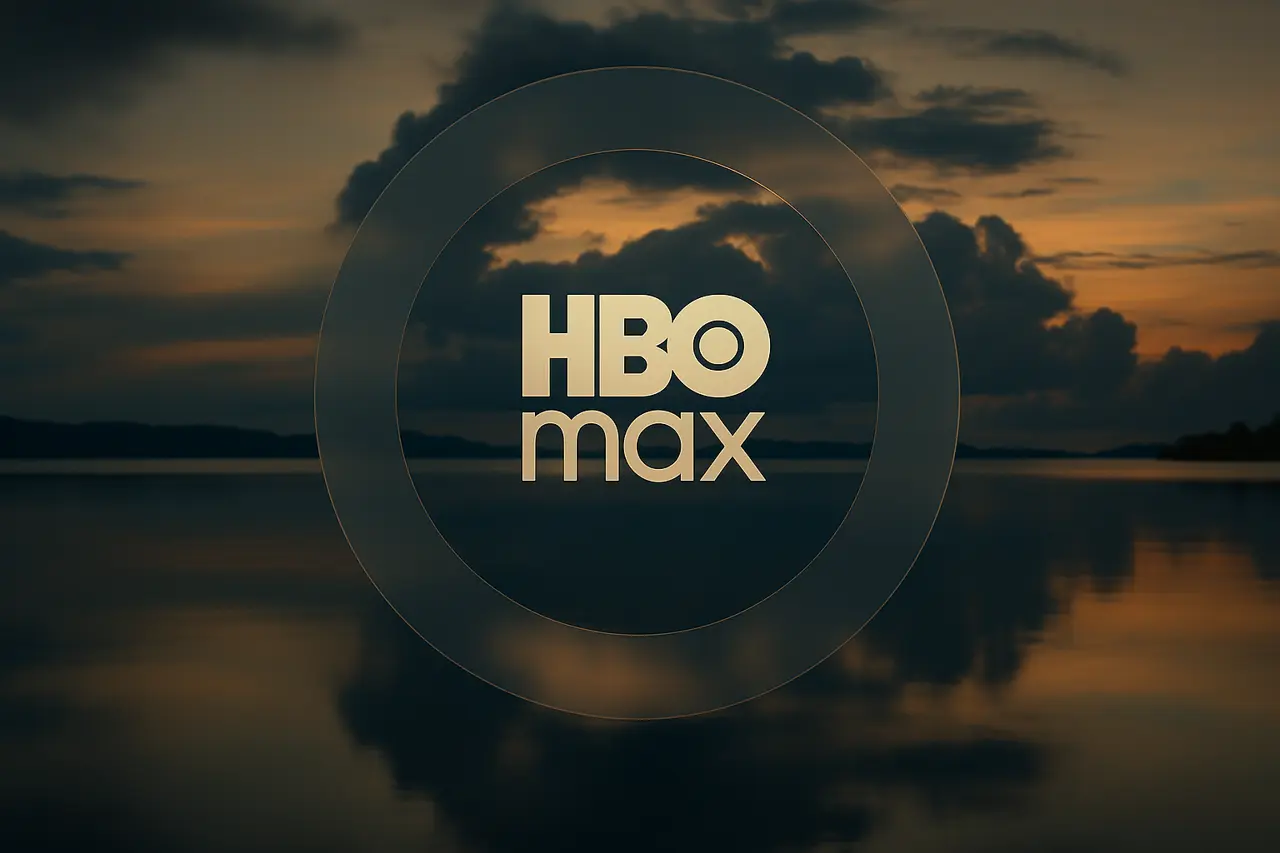

There are few things in branding that age faster than a rebrand that didn’t need to happen. And in the ever-shifting world of streaming services, the HBO Max to Max and now back to HBO Max saga is quickly becoming the gold standard for what not to do when managing one of the most prestigious names in media.
Let’s break down what happened here, why it matters, and what it teaches us about branding strategy, audience perception, and the risks of undervaluing a name like HBO.
HBO Is Not Just a Name — It’s a Signal of Prestige
I’ll start with this: HBO is not just a network or a legacy brand; it’s a cultural signal. For decades, it stood for bold, narrative excellence. Think The Sopranos, The Wire, Game of Thrones, Succession. When someone sees the HBO logo, it communicates something powerful before a single scene plays: this is worth your attention.
So, when Warner Bros. Discovery (WBD) decided in 2023 to drop “HBO” from the streaming service and go with the generic-sounding “Max,” it felt like an odd move. From a branding standpoint, it was almost like Ferrari deciding to sell cars under the name “Speedy Motors.” Yes, technically correct. But wildly missing the emotional core of what makes the brand special.
The Attempt to Go Broad… and Bland
According to WBD, the goal was to make the platform more inclusive and family-friendly. The logic was that the HBO brand, often associated with adult, mature content, might scare off broader audiences who wanted home renovation shows or something for the kids.
They weren’t wrong about the perception. HBO does signal premium, often intense content. But that perception is also its biggest strength. It’s what people pay for. Trying to broaden the appeal by removing that signal actually made the brand less clear, not more accessible. It diluted the promise.
When Generic Doesn’t Work
The truth is, the “Max” rebrand didn’t land well. It confused people, caused friction in user experience (you had to download a new app), and above all, removed the strongest brand asset the company had. In a world flooded with streaming options, the idea that a new, blue-tinted “Max” would stand out over names like Netflix or Disney+ was wishful thinking at best.
And let’s be honest: if you’re going to bet on a brand strategy in a saturated market, betting against HBO’s legacy was a bold — and in hindsight, misguided — move.
Backpedaling as a Strategy
Now, in May 2025, WBD is officially announcing that Max will go back to being HBO Max. And surprisingly? They’re handling the rollback with a sense of humor, even embracing the memes and social media jokes. The official Max account quipped that X (formerly Twitter) should rebrand back to Twitter too. It’s a good sign. Self-awareness goes a long way.
But make no mistake: this isn’t just a meme moment. It’s a case study in how deeply brand equity matters. HBO wasn’t holding the service back. It was the service.
What Other Platforms Got Right
While HBO was trying to stretch and reshape itself, its competitors stayed consistent. Netflix never flinched. Disney+ has only reinforced the Disney name. Apple TV+ kept things simple and elegant. Even Amazon stuck with Prime Video, leveraging its ecosystem.
These platforms understood that a strong name is not something you hide. It’s something you amplify. HBO had that, and WBD took two years to realize it.
Lessons for Brand Strategy
Here are my takeaways from this saga:
- Brand equity is real currency. Don’t discard it lightly.
- Trying to be everything to everyone often leads to being nothing to anyone.
- If your strongest asset is the perception of quality, don’t run from it.
- Mistakes in branding happen. Owning them with honesty and agility is better than doubling down.
The return to HBO Max isn’t just a naming change. It’s a strategy correction. It’s an admission that prestige still matters. That clarity of brand promise matters. And that audiences know what they want: content worth their time.
In branding, sometimes the most courageous move isn’t pushing forward. It’s circling back to what made you special in the first place.