


Synopsis
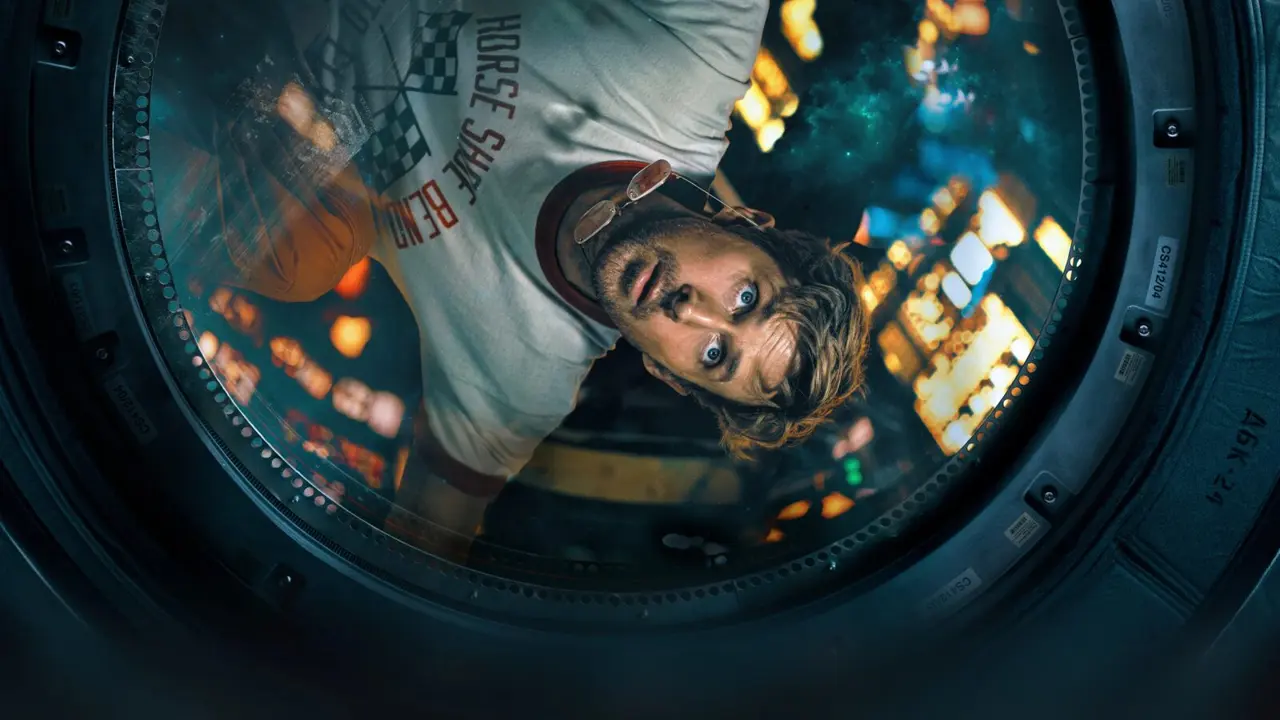
Dr. Ryland Grace wakes up alone on a spacecraft, light-years from Earth, with no memory of how he got there. As it comes back to him, he realizes he is the last surviving member of a mission sent to save the sun, and humanity, from a microbial threat. Alone in deep space, he eventually meets Rocky, an alien engineer from a species facing the same extinction event, and the two have to figure out a solution together. The film is based on the 2021 novel by Andy Weir and directed by Phil Lord and Christopher Miller.
What I Liked
- Ryan Gosling’s charisma makes the movie shine. He is doing what he always does, being charismatic, but here it lands somewhere unexpected. A scientist alone in the universe becomes a deeply empathetic character instead of a cold one. He carries the quirkiness of the book’s Dr. Grace and turns a fairly technical premise into something funny and entertaining, without losing what made the character work on the page.
- The photography turns hard science into something warm. The work from cinematographer Greig Fraser is crisp and colorful. This is optimistic sci-fi, nothing grim. The technology feels polished but still palpable, grounded, not the kind of over-the-edge future-tech that stops feeling real.
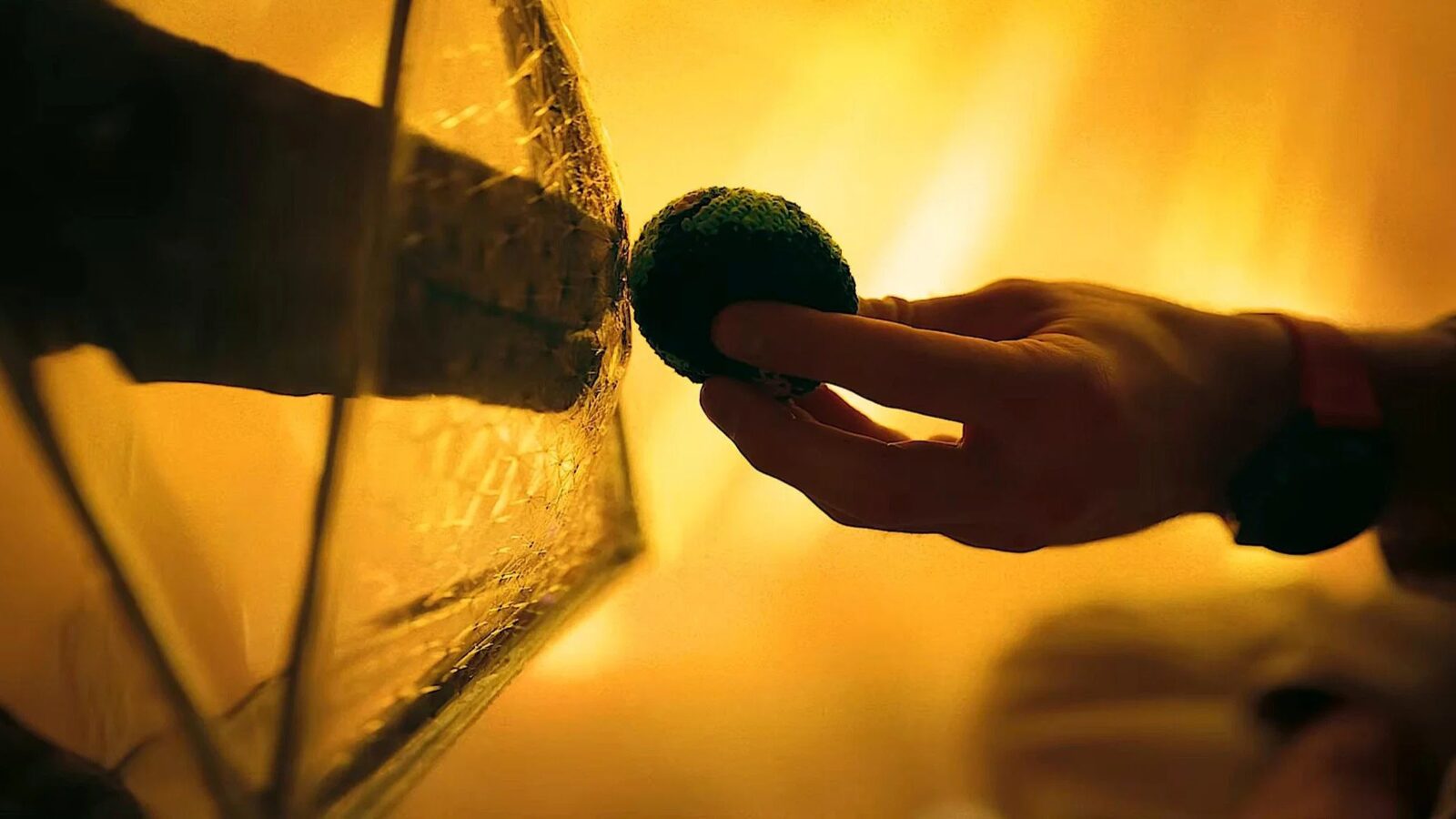
- The Grace and Rocky friendship is the film’s biggest win. It is funny, it is cute, and it is the reason the whole thing feels so warm and endearing. Adapting a friendship that in the book is built almost entirely through problem-solving and trial and error is not an easy translation, and Lord and Miller, the directors behind The Lego Movie, get it completely right.
It is funny, it is cute, and it is the reason the whole thing feels so warm and endearing.
What Could Be Better
- Earth feels smaller than the story needs it to. The Earth side of the story feels a bit limited and simplified. It never quite reads as the planet-wide effort the premise implies. The supporting characters help carry it though, especially Yao Li-Jie, played by Ken Leung, who I already liked from Industry and who is great here too.
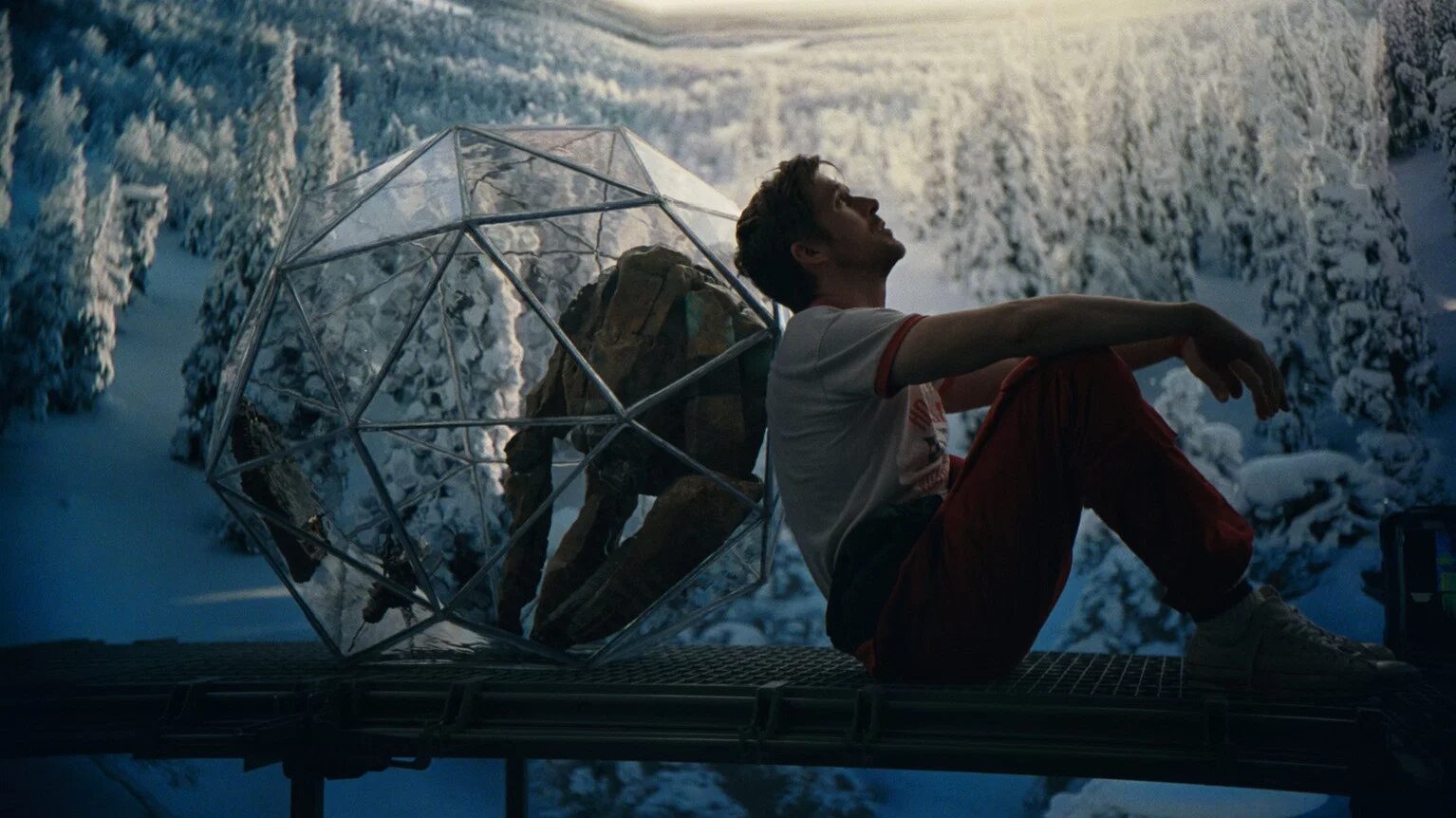
- The task force setup leans on a familiar shortcut. The mission control side of things leans on a small, elite group gathered off the grid instead of the full weight of bureaucracy and global politics. It is fun, but it is also clearly a convenience these films always reach for so they do not have to deal with how something like this would actually get decided.
- The book’s “aha” moments do not fully survive the trip to the screen. The book takes its time earning them, walking through the science until the solution genuinely makes sense. The film compresses most of that into a line or two, “we’re going to do this,” and moves on. I understand why, that is probably a studio call to keep the pace commercial, but the geek satisfaction of watching a hard problem get solved does not fully make it to the screen.
My Insight
What Andy Weir does well, in both this book and The Martian, is take the rustic, improvised side of human intelligence, the willingness to make something out of nothing, and turn it into the actual engine of the story. It is not about spectacle, it is about people thinking their way out of an impossible situation. The film understands this and mostly keeps it intact, it just trades some of the thinking for feeling.
It is not about spectacle, it is about people thinking their way out of an impossible situation.
That trade is where the movie both wins and loses. The book lives inside Grace’s head, step by step, and never quite declares itself in the way a film has to. Here, everything becomes visual, and what was internal becomes a relationship you watch happen in front of you. It costs the film some of its geek pleasure, the joy of watching a solution click into place, but it gains a friendship that is genuinely moving to watch, which is a fair trade even if it is not the same book.
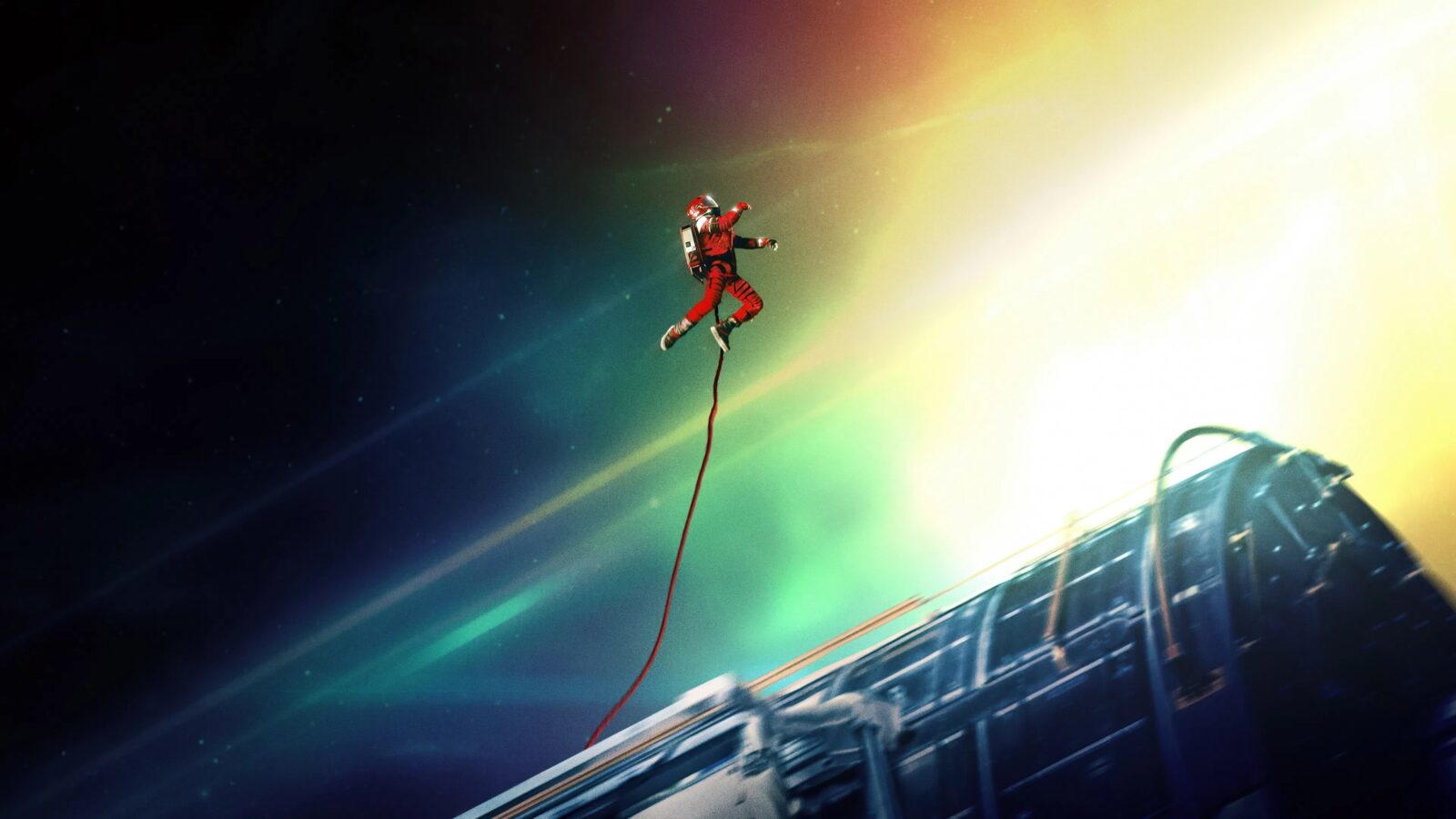
Andy Weir now has two adaptations, The Martian and this one, and both are genuinely good. I am curious what happens next, whether it is a new novel or an adaptation of Artemis, though I doubt Artemis reaches the level of these two. What makes The Martian and Project Hail Mary work is a specific combination: real adventure, a real scientific approach, and characters worth caring about. That combination is harder to repeat than it looks.
Rating ⭐9/10
A near-perfect adaptation, carried by Ryan Gosling and an alien friendship that earns every bit of its charm. It loses only a point to a studio instinct for pace, trading some of the book’s geekier pleasures along the way.
Extras
Films where human ingenuity is the actual plot.
- The Martian (2015), directed by Ridley Scott
- Apollo 13 (1995), directed by Ron Howard
- Gravity (2013), directed by Alfonso Cuarón
- Interstellar (2014), directed by Christopher Nolan
- Arrival (2016), directed by Denis Villeneuve
For Discussion
Technical Details
| Release Date | March 20, 2026 (US, theatrical) |
| Director | Phil Lord, Christopher Miller |
| Screenwriter | Drew Goddard (based on the novel by Andy Weir) |
| Cinematography | Greig Fraser |
| Starring | Ryan Gosling, Sandra Hüller, Milana Vayntrub, Ken Leung |
| Runtime | 2 hours 36 minutes (156 minutes) |
| Rating | PG-13 |
| Distributor | Amazon MGM Studios |
| Where to Watch | Streaming now on Prime Video and MGM+ |
Trailer
Related reviews

MICKEY 17: Sci-Fi, Clones, and the Problem with Creative Freedom
Bong Joon-ho's post-Parasite project loses focus in a half-baked dystopia.
Read →
"Pluribus" First Impressions: When Unity Becomes the Enemy
What Vince Gilligan's slowest show yet says about AI, speed, and what we lose when everyone agrees.
Read →
Bugonia: Why Logic Is Defenseless Against a Fanatic Mind
Yorgos Lanthimos returns to prove that ignorance is the most dangerous thing in the world.
Read →