


Synopsis
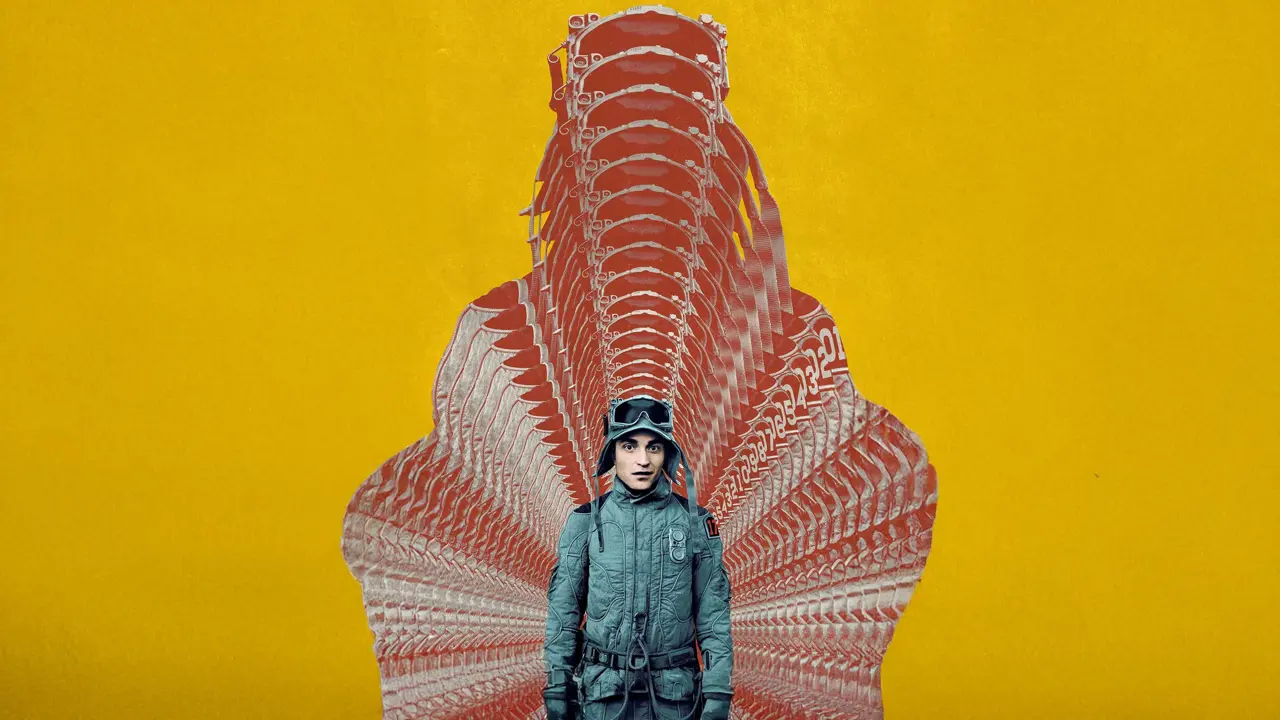
In a dystopian future, humans attempt to colonize a distant planet using “Expendables”—workers whose bodies can be regenerated through DNA-based clone printing after death. Mickey is one of them, and by the time the movie starts, he’s already died 16 times. After surviving a mission he wasn’t supposed to, Mickey 17 returns to find his replacement, Mickey 18, already printed and active. As the colony falls deeper under the grip of a fascist regime led by a messianic commander and his wife, the two Mickeys are forced to fight not just for survival, but for the soul of humanity.
What I Liked
- A strong sci-fi hook: The idea of printed clones and what happens when two versions coexist is naturally compelling.
- Robert Pattinson x2: Playing against himself, Pattinson brings charm to both versions, even when the script doesn’t dig deep.
- Visually memorable: The colony’s visual language, from brutalist interiors to cold alien landscapes, creates a believable (if joyless) world.
- Hints of satire: Bong Joon-ho’s commentary on power, purity, and control is there, though more hinted at than fully developed.
What Could Be Better
- Surface-level themes: The movie sets up fascinating philosophical and ethical questions, but skims over them in favor of a binary morality tale.
- Shifting tone: It veers into comedy and action in ways that feel inconsistent with the initial setup, weakening its emotional core.
- Wasted potential: The Earth-based threats, the clone-printing implications, and even the aliens feel underdeveloped.
- Generic villains: Ruffalo’s commander feels more like a caricature than a believable antagonist, draining urgency from the conflict.
- Predictable outcome: Instead of embracing the complexity of its premise, the film lands on a flat “respect nature, reject authoritarianism” message we’ve seen too many times.
My Insight
Parasite caught me off guard in the best way. It was sharp, intense, and original. So naturally, I was curious to see what Bong Joon-ho would do with a bigger platform, a bigger budget, and total creative freedom. That curiosity is what made Mickey 17 such a frustrating watch. This felt like the kind of project a director does after success, when they can choose any story, any cast, any tone. And that freedom sometimes leads to something bold… but unfocused.
Here, that freedom led to a film that introduces a compelling idea—the printing of human clones who retain memories—but avoids dealing with the emotional or existential fallout. What happens when two printed versions of the same person exist simultaneously? How do identity, self-preservation, and moral responsibility play out? These questions are barely grazed. Instead, the plot shifts into an ecological parable about colonizers versus innocent natives, which isn’t bad in itself, but feels like a very different, far simpler movie.
There’s ambition in the ingredients. But the execution feels scattered and strangely lightweight.
Rating 🌟6/10
An intriguing setup that loses focus fast. Not terrible, but not what it could have been.
For Discussion
There’s something fascinating about watching a director navigate the post-success phase. When an acclaimed artist like Bong Joon-ho gets an opportunity after a global phenomenon like Parasite, the next step becomes not just a creative decision but a statement. Do they double down on what made them famous? Or go other and do something totally different, even if it risks alienating their new fans?
Mickey 17 feels like a case study in that tension. It introduces the bold premise of printed clones, multiple versions of the same person navigating a strict hierarchy, and the ethical collapse of a colonizing force. But none of it lands with clarity or commitment. Was it too personal? Too unfiltered? Or simply too rushed? That’s the kind of behind-the-scenes context that makes the film more interesting to reflect on than to watch.
Related Series or Movies
- Battlestar Galactica (2004–2009) – Created by Ronald D. Moore
A masterclass in storytelling around identity, cloning, survival, and moral ambiguity. Arguably one of the best sci-fi shows ever made. - Live Die Repeat: Edge of Tomorrow (2014) – Directed by Doug Liman
A sharp, clever, and surprisingly emotional take on looping time, death, and self-reinvention. Underappreciated and incredibly well-executed. - Ex Machina (2015) – Written and directed by Alex Garland
While focused on AI rather than cloning, it’s a gripping exploration of consciousness and power dynamics in synthetic beings. - Severance (2022– ) – Created by Dan Erickson, directed by Ben Stiller (main episodes)
Not cloning, but deeply tied to identity splitting and memory manipulation in a hyper-controlled work environment. Introspective, stylish, and unnerving. - Westworld (Season 1–2) – Created by Jonathan Nolan and Lisa Joy
A strong narrative on human likeness, free will, and exploitation. While later seasons lost focus, the early arcs are a goldmine for identity discussions.
Technical Details
- Director: Bong Joon-ho
- Based on: Mickey7 by Edward Ashton
- Main Cast: Robert Pattinson, Mark Ruffalo, Naomi Ackie, Steven Yeun, Toni Collette
- Cinematography: Darius Khondji
- Music: Jae-il Jung
- Production: Plan B Entertainment
- Runtime: Approx. 117 minutes
- Genre: Sci-Fi / Drama / Thriller
- Language: English
- Streaming on: HBO Max
- Release Year: 2024
Trailer
If you enjoyed this review, I’d love to hear your thoughts. Especially if you work in creative fields or have experienced the chaos behind making things happen.
I offer consulting for creators, brands, and small businesses focused on communication, digital presence, and brand clarity. You can explore more of my work at faguilera.com, or connect with me through Upwork if you’re looking to collaborate.