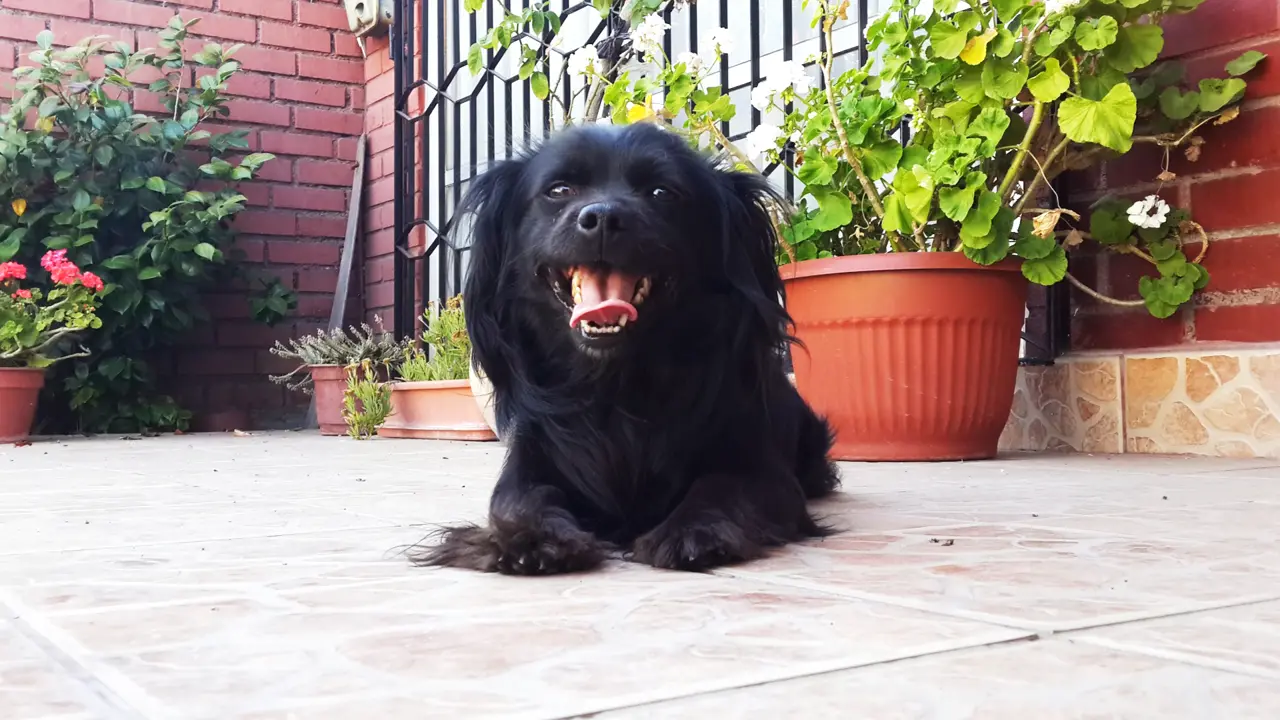



Bobo was, above all, a genuinely good dog. Calm, tranquil, and friendly, he was full of a contagious enthusiasm for simply existing.
The Unforeseen Arrival
He entered our lives following a moment of profound oversight and surprise. One summer day, Lupita seemed strange. She was reluctant to move and unusually heavy. I mistakenly interpreted this as simple laziness. In my daily routine of feeding her, I joked about why she was gaining so much weight, completely overlooking a significant detail that would shock us all.
One night, Lupita gently scratched at the door, seeking a safe place. Despite our family rule that the dogs do not enter the house, I let her into my room. Sensing her agitation, we stayed there for a while until she fell asleep, and then I carried her back to her house. The next morning, she was not in her kennel. Instead, she was curled up beneath a tree in the patio, trembling and wearing a look of sheer tragedy. When I went to retrieve her food bowl, the truth dawned on me: I found four newborn puppies inside her little house.
She had given birth alone, in the night, with no help other than, perhaps, the stupidity of my oversight. I felt an overwhelming guilt, an honest self-anger for being so obtuse and negligent toward the life unfolding right in front of me. I rushed to tell my parents, and we scrambled to care for the new family. Of the five, one did not survive, found alone beneath the tree where Lupita had desperately tried to protect him.
The Odd One Out
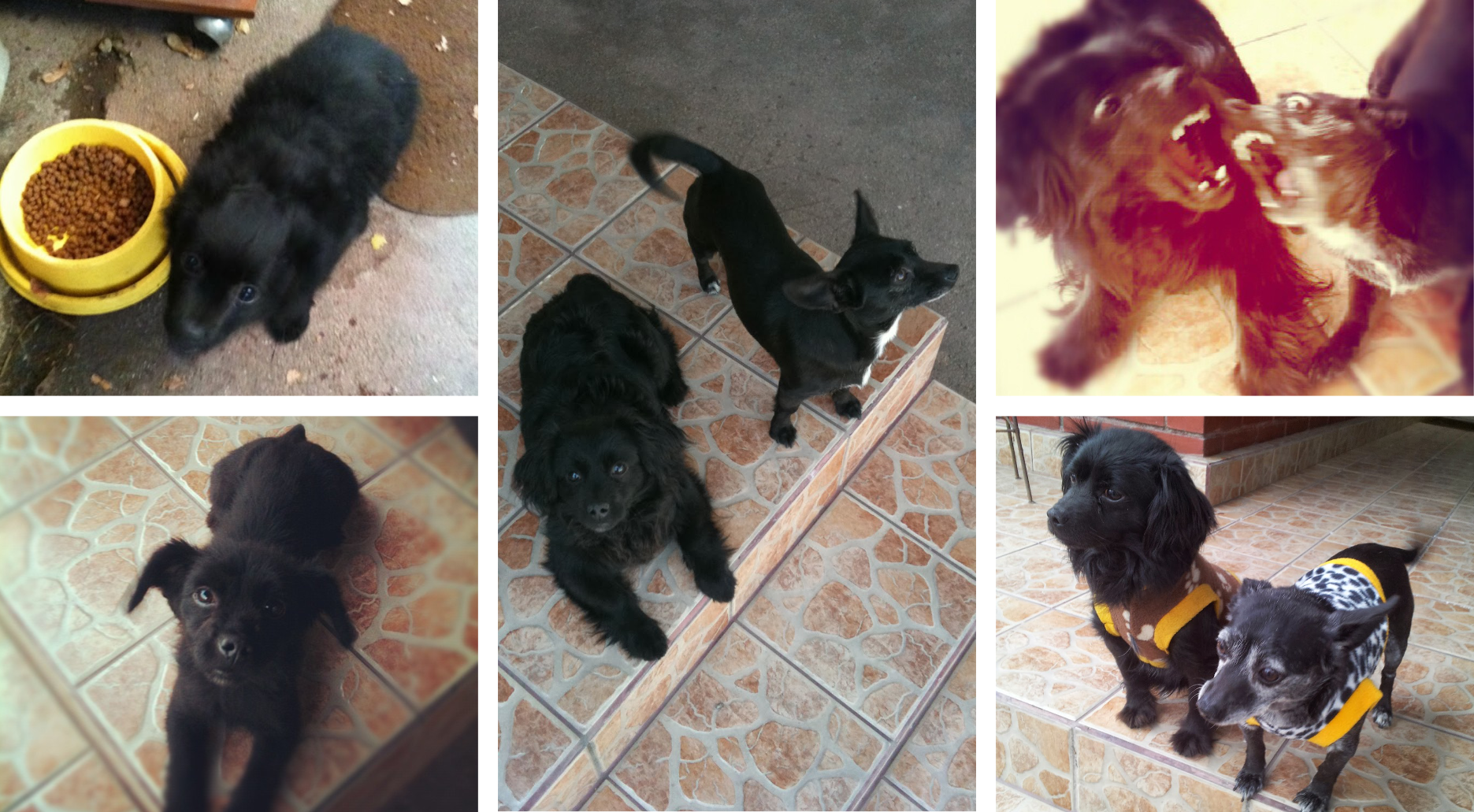
We eventually found homes for most of the puppies through neighbors, leaving only one. It was Bobo, the most scruffy and strange of the litter. Facing this, and seeing Lupita’s exhausted “whoops” expression, I asked if we could keep him so he could accompany Lupita in her new stage of motherhood and recovery.
I named him “Bobo” in honor of The Simpsons episode where Mr. Burns frantically searches for his childhood teddy bear. The name carried that specific blend of melancholy, affection, and humor that felt appropriate for the odd, clumsy, and deeply cherished pup he was. I appreciate names that carry a hidden meaning, for those who know the context.
Bobo grew up following Lupita everywhere. He was her enthusiastic and calm shadow—always ready for a walk, a game, or simply to accompany her. Their life together was one of continuous, cheerful companionship.
A New Chapter of Responsibility
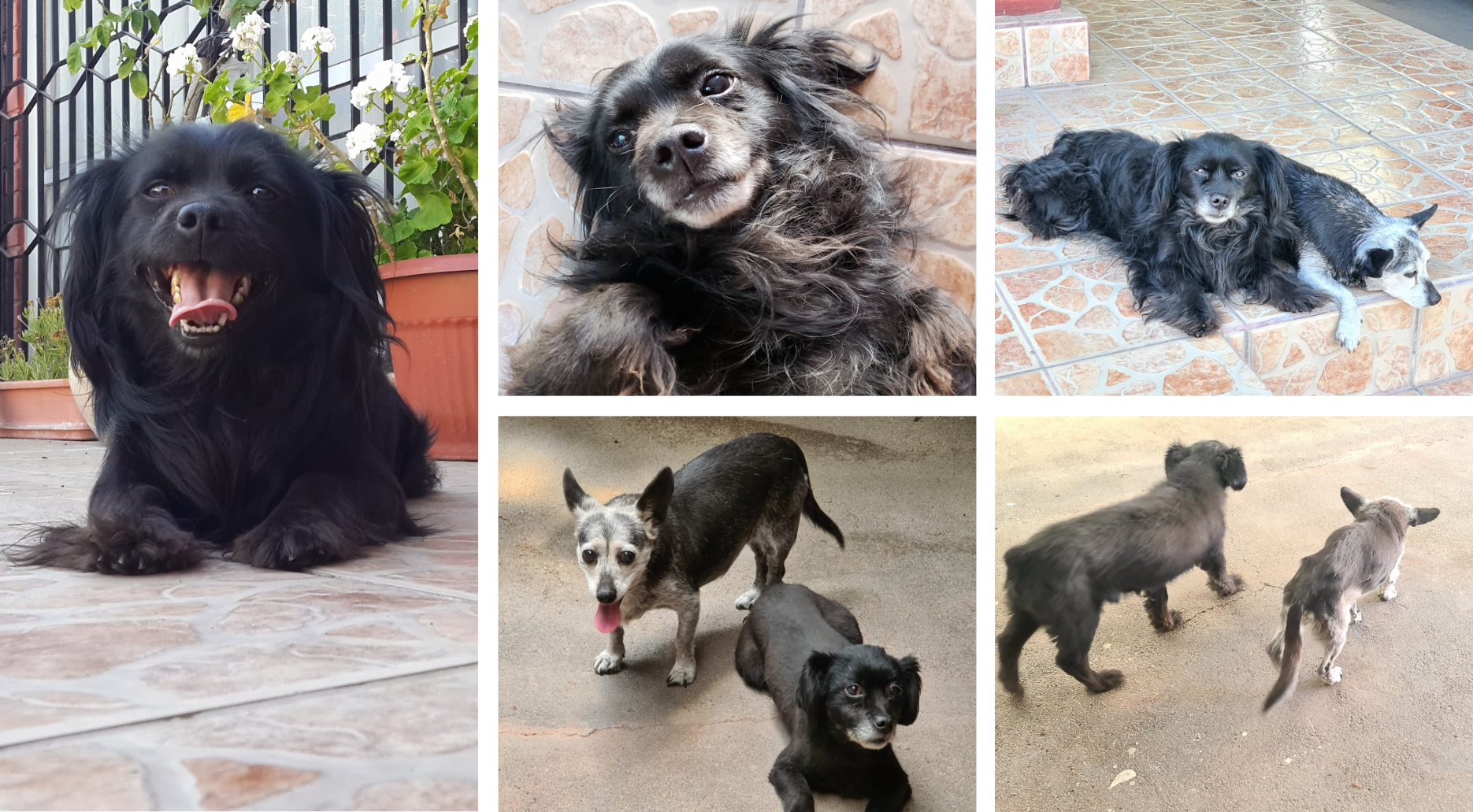
Life changed over the years. My father passed away, my brother moved out, and eventually, I moved out to live on my own. Lupita—now older—and Bobo stayed with my mother, Magaly. She was never particularly enthusiastic about owning pets; for her, they were always an extra burden, a “problem” to be solved, and I understood that, especially given her deep sense of responsibility. By leaving them, I created a large and permanent responsibility for her. I used to joke that caring for them was my “alimony,” because while I was responsible for sending the food and covering the vet bills, it was she who carried out the difficult and constant daily work of their care. I am deeply grateful for the effort she put in, a responsibility she did not seek but honored completely.
After Lupita passed away at 19, effectively closing her chapter as “Lupita the Immortal,” Bobo’s life changed. He became quieter, slower, taking his walks and his life with a distinct stillness. I believe he became more melancholic, too, and was left to explore the yard he inherited at his own pace. He transitioned from being a cheerful enthusiast to a good companion, unwaveringly gentle and kind. I always referred to him as a “Good Hound,” and honestly, I have never known a dog so gentle.
The Finality of Care
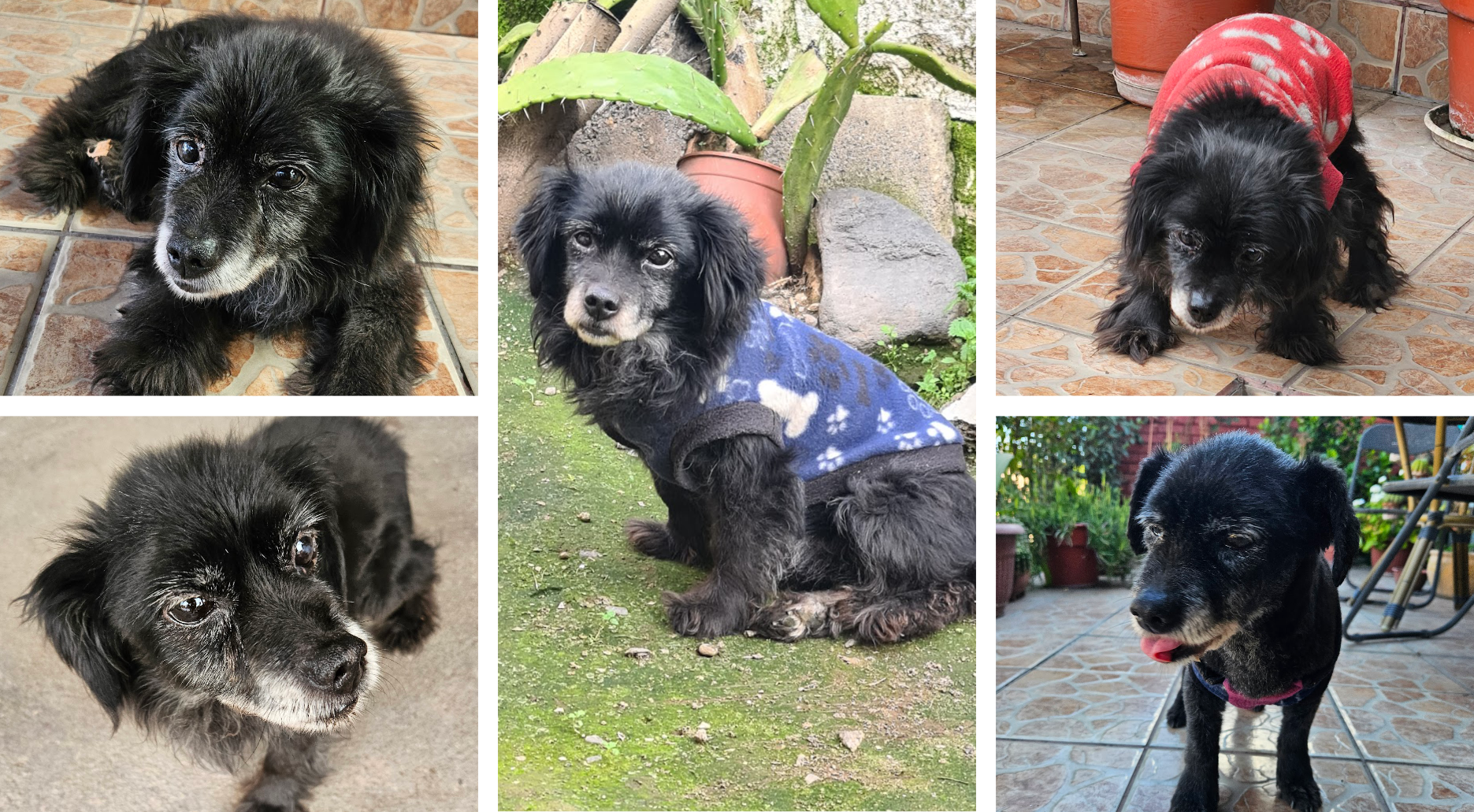
Unfortunately, the inexorable march of time happens to everyone. The last two weeks were a clear sign that his time had come. At 17 years old, senility and possible Alzheimer’s had set in, robbing him of his senses. He lost his sight completely, could no longer hear, couldn’t find his food unless it was placed directly in his mouth, walked constantly into walls, turned in circles for long periods, and eventually collapsed onto the floor in a kind of exhausted defeat.
The major alarm sounded a few days ago when Magaly told me he had fallen asleep on the terrace and couldn’t find his way back to his bed. She heard him let out a strange cry and realized he was trapped among the garden plants, unable to figure out how to get out. For both my mother and for Bobo, the suffering and the emotional burden had become too much.
Yesterday, we made the decision to let him rest, supported by the wonderful team at the Kidami veterinary clinic—longtime companions in the lives of my dogs in Maipú. I held him as he passed and his heart slowed its beat. It was an experience I had never had before, and it left me with a heavy, familiar feeling: the sensation that I perhaps could have done more.
But life is also about acceptance. We cannot assume all the responsibility; we can only take the option to try and help.
Bobo’s life, alongside the dozen or so dogs we had over the years in the family home in Maipú, is now a closed cycle. It is a sad conclusion, but also one filled with deep gratitude for the love, enthusiasm, and wonderful, funny memories he left us with.
Rest well, my great, scruffy mutt. You were a magnificent dog.