


📝 Synopsis
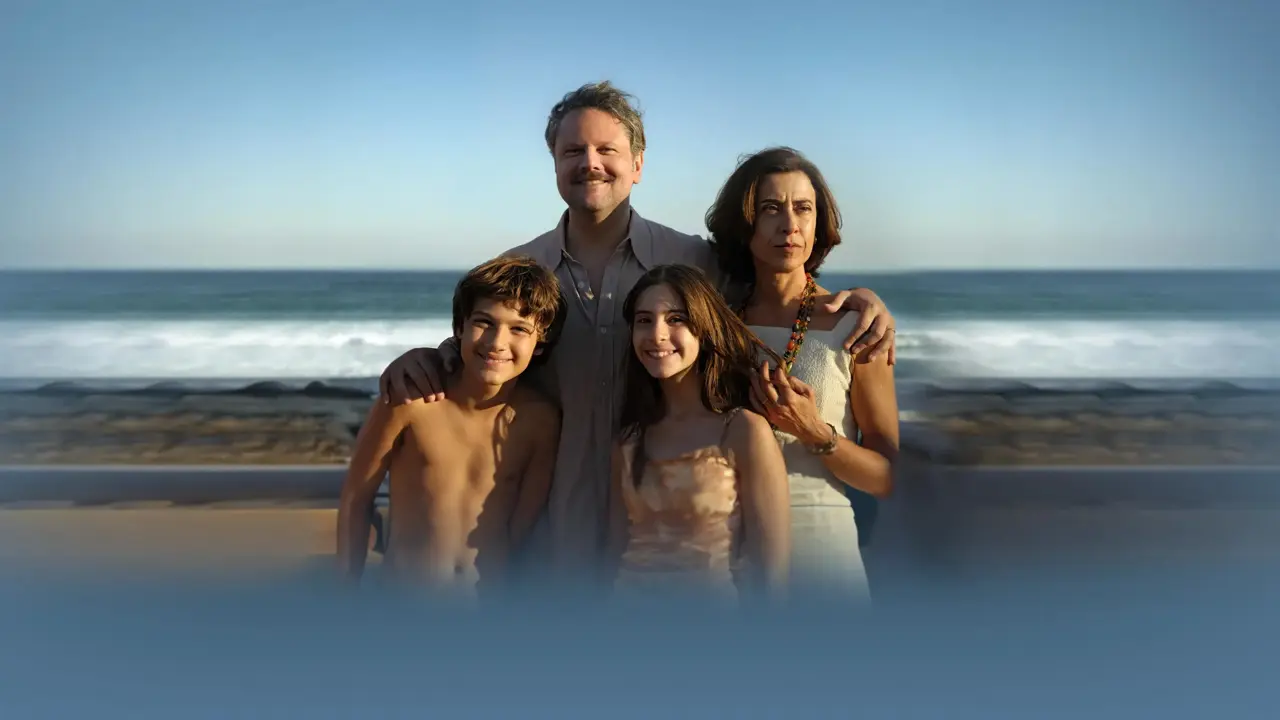
Set in 1971 Brazil, I’m Still Here follows Eunice Paiva, a mother of five, as she navigates the disappearance of her husband, Rubens, a former congressman taken by the military regime. The film delves into her transformation from a housewife to a determined survivor, highlighting her personal and family struggles facing a political oppression.
What I Liked
- Fernanda Torres’ Performance: Fernanda Torres delivers a a intense performance with subtlety and strength. Her portrayal of Eunice is not about overt displays of emotion but about the quiet resilience of a mother holding her family together in the middle of chaos. This restraint makes the moments of vulnerability way more impactful.
- Engaging Cinematography: Adrian Teijido’s cinematography captures the contrasting worlds of the Paiva family’s warm domestic life and the cold, oppressive atmosphere of the dictatorship. The use of Super 16 and 35mm film stocks adds a textured, immersive quality to the visuals, enhancing the emotional depth of the narrative.
- Score by Warren Ellis: Warren Ellis’ score is understated yet haunting, complementing the film’s tone without overshadowing it. The music subtly underscores the emotional undercurrents, allowing the story and performances to take center stage.
- Historical Context: The film gave me a clear insight on chapter of Brazil’s history ignored by me. Providing a personal lens through which to understand the broader political disaster. By focusing on the Paiva family’s experience, the film humanizes the impact of the dictatorship, making it both educational and emotionally resonant.
- Family as a force of good: The story’s focus on family and personal struggle in the middle of an intense political oppression. Creating a powerful raw impact, but at the same time the contrast of the family relationships and warmth highlights and gives hope no matter what.
What Could Be Better
- Pacing: Some scenes linger longer than necessary, potentially affecting viewer engagement.
- Character Development: Secondary characters could have been more fleshed out to provide a fuller picture of the family’s dynamics.
- Historical Depth: While the personal story is compelling, a deeper exploration of the political backdrop could have added context.
My Insight
Watching I’m Still Here as a Chilean resonates with me. The film doesn’t just depict a family’s ordeal; it mirrors the collective trauma experienced by many in Latin America. Eunice’s journey, portrayed with remarkable subtlety by Fernanda Torres, encapsulates the silent strength and resilience that countless individuals have had to muster in the face of a devastating political conflict.
The scenes where Eunice maintains composure for her children, even as her world unravels, reminded me of stories from my own country, for either political side that just strive to do their best to protect and keep going forward with their families. The film doesn’t expose extreme dramatism to provoque emotion, instead focuses on the stoicism of life that many have had to adopt.
The film’s focus on personal struggle amidst political turmoil offers a poignant perspective on the human cost of dictatorship. It’s a narrative that, while specific to Brazil, resonates universally, especially for those of us who have lived in the shadows of similar histories.
I’m Still Here doesn’t just recount events; it invites reflection on the enduring impact of political violence on families and the quiet, often unacknowledged, acts of resistance that occur within the confines of home.
⭐ Rating: 8.5/10
Subtitle: A poignant exploration of personal resilience in a political chaos.
Related Series or Movies
- The Secret in Their Eyes - El secreto de sus ojos (2009)
Not strictly political, but the story unfolds in the shadow of Argentina’s dictatorship and unresolved trauma. It’s about memory, justice, and the long reach of the past. - Argentina, 1985 (2022) A gripping dramatization of the trial that brought Argentina’s military junta to justice. Balances procedural drama with emotional weight, showing how institutions and individuals wrestle with truth after terror.
- The Lives of Others (Das Leben der Anderen, Germany, 2006) A haunting portrayal of surveillance and conscience in East Germany. Quiet, tense, and deeply human—it shows how politics penetrate even the most personal spaces.
- Machuca (Chile, 2004) A coming-of-age story set during the days leading up to the 1973 coup. Through the eyes of two boys from different social backgrounds, it captures the growing tensions in Chilean society and the emotional rupture of the golpe.
- No (Chile, 2012)Set during the 1988 plebiscite, this film explores the strange intersection of advertising and activism. A crucial look at Chile’s transition from dictatorship, with Gael García Bernal leading a bold yet understated performance.
For Discussion
When a film chooses to tell history through the eyes of a single person—or a family—it stops being a distant event and starts feeling like something real, something that could’ve happened to someone you know. Or even to you. That’s the power of I’m Still Here. It doesn’t overwhelm you with dates or ideology. It quietly shows what it meant, day by day, to live through a time when fear lived in your house and answers never came.
And when you’ve grown up hearing versions of those stories—like we have in Chile—it doesn’t just hit intellectually. It hits somewhere deeper. In the silence of conversations that never happened. In the missing names. In the tired eyes of a generation that survived, but not whole.
Personal storytelling lets us carry those histories differently. It softens the distance and forces us to feel. But it also leaves a question open: how long does it take for something like this to stop hurting?
That’s what this film left me with. Not a resolution. Just a quiet weight. And the feeling that, somehow, we’re still trying to answer that.
🎬 Technical Details
- Release Date: November 7, 2024
- Director: Walter Salles
- Writers: Murilo Hauser, Heitor Lorega, Marcelo Rubens Paiva
- Main Cast: Fernanda Torres, Selton Mello, Fernanda Montenegro
- Runtime: 137 minutes
- Genre: Drama, Biography, History
- Rating: PG-13
- Distributor: Sony Pictures Classics
- Where to Watch: Available to rent on Apple TV and Amazon Prime.
🎥 Trailer
I write about series, media, and the way technology shapes how we live and feel. If you’re building something and need help with the story, visit faguilera.com. I help brands communicate with clarity—and I reflect on culture with curiosity.