


Synopsis
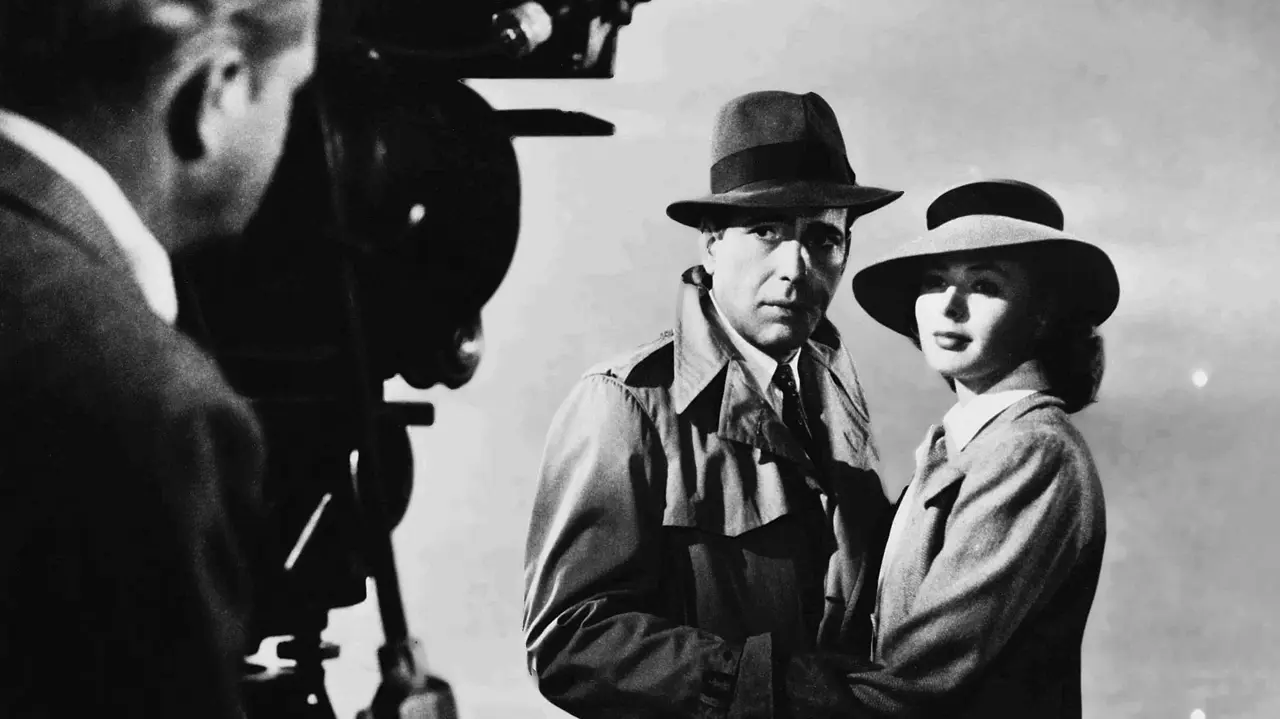
Set in the politically tense Moroccan city of Casablanca during World War II, the story centers on Rick Blaine (Humphrey Bogart), an American nightclub owner with a mysterious past. When his former lover Ilsa Lund (Ingrid Bergman) arrives with her husband—a resistance leader seeking passage to America—Rick is pulled into a love triangle filled with heartbreak, sacrifice, and moral dilemma. The film balances romance and wartime urgency with timeless elegance.
What I Liked
- An Unforgettable Setting Casablanca itself is almost a character. A crossroads of desperation, resistance, and shady dealings. The atmosphere is thick with tension and hope, and the film captures the in-between-ness of people trying to escape their circumstances.
- The Political Stakes Add Weight I didn’t remember how strongly the film leans into the war and resistance themes. The story isn’t just about love—it’s about choosing what matters in the face of fascism. That makes the emotional choices feel heavier and more urgent.
- Performances Full of Style and Presence Bogart and Bergman aren’t just iconic—they’re committed. There’s a theatricality to their performances, but they bring gravity to their roles. Their chemistry isn’t fireworks; it’s a slow-burning ache.
- Cinematic Simplicity That Still Works The film’s structure is lean and effective. It wastes no time, and each moment pushes either the romance or the political tension forward. That focus helps it hold up surprisingly well.
What Could Be Better
- Less Nuanced Than Modern Stories Compared to today’s films, the characterizations are more black and white. Rick is brooding but good, Ilsa is noble but torn. There’s not much moral ambiguity, which can feel dated.
- Dramatic Delivery That Feels Aged The dialogue and acting style—though part of its charm—feel overly mannered. It works within its era, but it does create some distance for modern audiences.
- A Myth Bigger Than the Movie? Revisiting Casablanca, I realized how much of its legend exists outside the film itself. It’s remembered as the pinnacle of screen romance, but watching it now, the emotional beats feel quieter, more restrained than expected.
My Insight
Rewatching Casablanca made me think about how memory and myth play with each other. It’s easy to call something a “classic” and move on—but is it still powerful when we see it again, stripped of reputation? This film still has weight, beauty, and style, but it also invites us to reflect on how nostalgia and culture shape our tastes. Maybe revisiting old favorites with new eyes is one of the best ways to keep them alive.
Rating: ⭐8.5/10
Still strong, still iconic—but also more subtle and somber than I remembered.
For Discussion
When we revisit a classic long after its cultural peak, are we watching the movie—or our memory of the movie? How should we balance reverence with honest critique?
Related Bittersweet romances
- Notorious (1946, Alfred Hitchcock) – Romance and espionage with Bergman again.
- In the Mood for Love (2000, Wong Kar-wai) – For lovers of longing and missed timing.
- The English Patient (1996, Anthony Minghella) – Romance shaped by war.
- Brief Encounter (1945, David Lean) – Emotional restraint in another wartime love story.
- Before Sunset (2004, Richard Linklater) – Modern, talk-driven, and emotionally layered.
Technical Details
- Director: Michael Curtiz
- Writers: Julius J. Epstein, Philip G. Epstein, Howard Koch
- Cast: Humphrey Bogart, Ingrid Bergman, Paul Henreid, Claude Rains
- Genre: Romance, Drama, War
- Release Year: 1942
- Where to Watch: Max
- Runtime: 102 minutes
- Rating: PG