


Synopsis
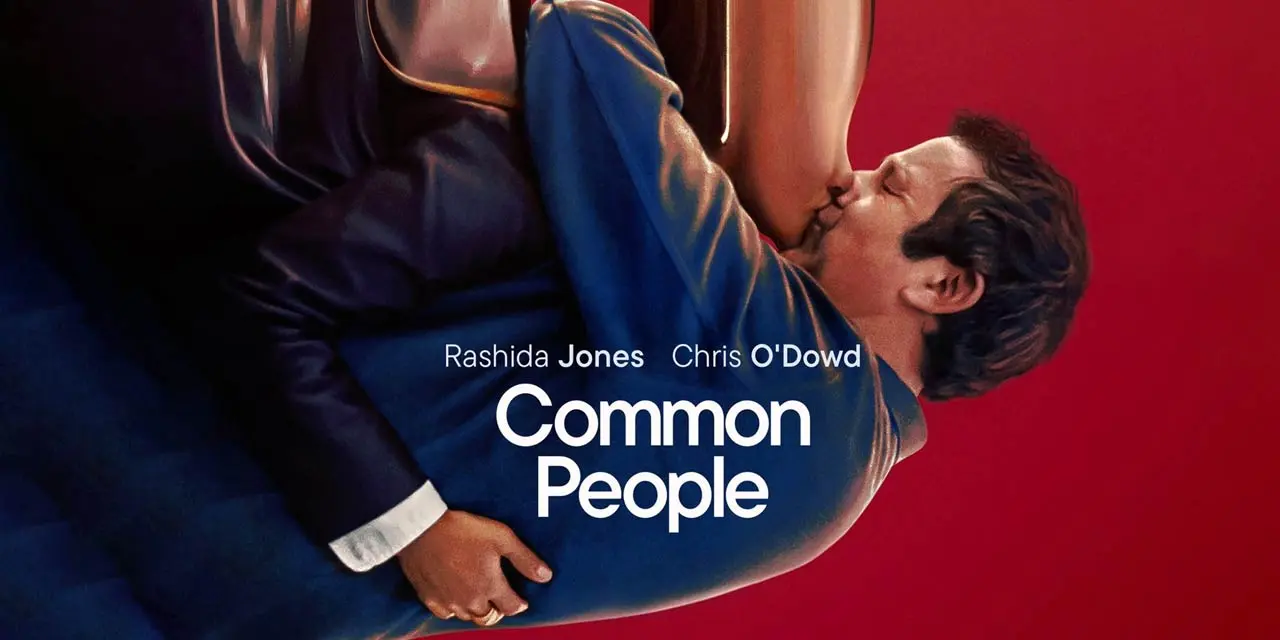
“Common People,” the Season 7 opener of the always unsettling Black Mirror, introduces us to Amanda (Rashida Jones), a schoolteacher whose life is turned upside down when she’s diagnosed with a brain tumor. Her husband Mike (Chris O’Dowd) turns to Rivermind Technologies, a company offering a revolutionary procedure: synthetic brain tissue connected to their servers. The catch? The surgery is free, but staying alive requires a monthly subscription. As fees increase and service quality declines, the couple faces impossible choices about love, survival, and the cost of simply staying alive.
What I Liked
- The premise is closely disturbing - The subscription-based healthcare model feels uncomfortably plausible. It’s a disturbing leap from today’s service economy — one that pushes the logic of tech-enabled convenience to a terrifying extreme.
- Jones and O’Dowd deliver - Both actors bring warmth and depth to their roles. The shift in their relationship — from hope to fear to resignation — plays out with painful authenticity.
- The pacing and intensity - In under an hour, the story moves cleanly from problem to crisis without dragging or feeling overstuffed. Like the best Black Mirror episodes, it ends with just enough unresolved tension to stay in your mind long after the credits.
What Could Be Better
- Not a big surprise of a plot - Some Black Mirror episodes surprise us with unexpected twists and turns. Common People’ is not the case at all. We know from the start that a tragedy is coming and we can see how it’s gonna develop. Either way, the way is presented still makes it worth it and enjoyable.
- The company representation - Gaynor (Tracee Ellis Ross), the representative of Rivermind Technologies is the only side we get to know about this revolutionary tech company. This keeps the simplicity and also frustration about the situation of the couple, but at the same time makes it a bit dull and forced.
- The moral complexity is one sided - For a story about the decision between life and death, and a huge influence in the economics and daily experiences of the couple. The perception of the treatment and consequences of it from Amanda’s side is not developed at all. A missed opportunity, maybe to keep the story tight and clear. But still, it could be a bit better.
My Insight
What makes Common People effective isn’t the futuristic tech — it’s how close the episode feels to our present. This isn’t sci-fi for sci-fi’s sake. It’s a sharp look at how monetizing basic needs — like health — changes our sense of agency. The most disturbing part isn’t the brain implant, but the idea that your life could be reduced to a monthly charge. Not hard to imagine, and that’s what makes it so effective.
Rating: 🌟8.5/10 - Uncomfortably relevant
While the narrative doesn’t break new ground, it works as a reminder of why Black Mirror matters. It shows us a future that is very near and we are all responsible for.
For Discussion
How many subscription services do you pay for now that didn’t exist ten years ago, and how many of them have shifted from “nice-to-have” to “need-to-have” in your life? Having in consideration that every service is in a way ‘optional’. Where does the line between convenience and dependency divide?
Related Series or Movies
- Severance (Series, Apple TV+, 2022. Created by Dan Erickson). Follows employees who undergo a procedure to separate work memories from personal life. A dark satire on corporate control and identity.
- Ex Machina (Film, 2014. Directed by Alex Garland). A sleek, cerebral film about AI and ethics, and the imbalance of power between creators and creations. A great complement to Black Mirror’s tone.
- Her (Film, 2013. Directed by Spike Jonze). A more emotional, quiet exploration of technology and intimacy, but still deeply relevant to the human-tech relationship and commodification of feelings.
- Years and Years (Limited Series, BBC/HBO, 2019. Created by Russell T Davies). A chilling look at how small shifts in politics, tech, and society add up over time, told through the lens of one British family. Feels disturbingly real and not too far off.
- The Lobster (Film, 2015. Directed by Yorgos Lanthimos). Not tech-based, but a brilliant, absurdist satire on how society treats relationships and survival within rigid structures. Great for philosophical comparison.
Technical Details
- Release Date: April 10, 2025
- Director: Ally Pankiw
- Writers: Charlie Brooker, Bisha K. Ali
- Main Cast: Rashida Jones (Amanda), Chris O’Dowd (Mike), Tracee Ellis Ross (Gaynor)
- Runtime: 58 minutes
- Genre: Science Fiction, Drama
- Rating: TV-MA
- Distributor: Netflix
- Where to Watch: Netflix